


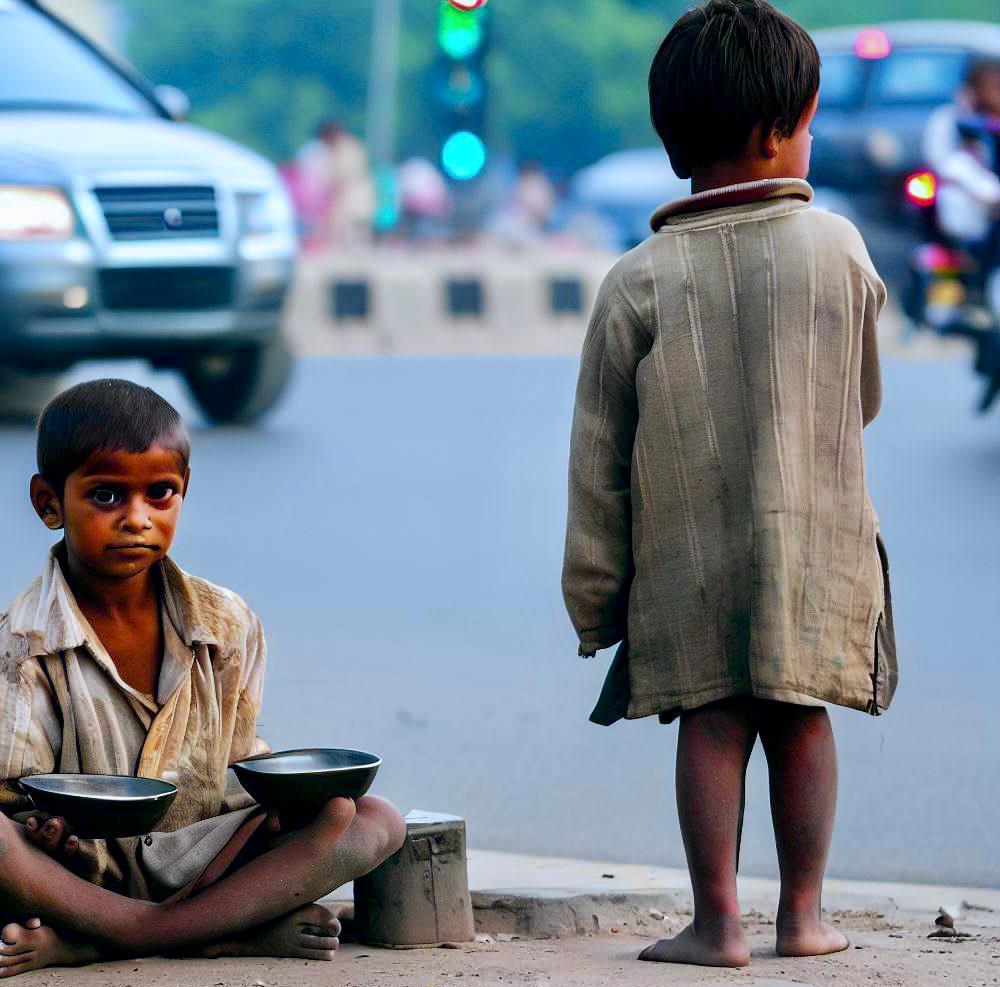


In a world where spare change often lands in the hands of young beggars, it’s time to rethink our approach. Instead of mere alms, let’s invest in real change for the future. Join us as we delve into the pressing issue of child begging and question the government’s role in ensuring the well-being and education of these vulnerable children. Discover how a little investment today can yield monumental returns for a brighter, crime-free tomorrow. Get ready to make a difference – it’s time to put our coins where our hearts are!
In our daily lives, whether we go to the grocery store, a local dairy for milk, or simply dine out, we frequently encounter children aged 6 to 12 begging for alms. This distressing sight has become all too common, raising questions about the government’s responsibility for ensuring the nutrition and education of these vulnerable children. Child begging is not only a pressing social issue but also a matter of serious concern for the future of our society. While the immediate instinct may be to give alms, this is merely a temporary fix that fails to address the root causes of the problem.
Children who are forced into begging may suffer from malnutrition and lack access to proper education, leading to a grim prospect where they may end up engaging in criminal activities as they grow older. As responsible citizens, we cannot ignore the government’s role in safeguarding the welfare of its young population. While there might be numerous reasons behind the presence of child beggars, it ultimately falls on the government to ensure that these children receive adequate nutrition and education, thereby providing them with a chance to break free from the cycle of poverty and vulnerability.
Addressing child begging requires more than just superficial efforts; it necessitates comprehensive and sustainable solutions. The government must prioritize funding for programs that focus on ensuring children’s access to education and healthcare. By investing in their future today, we can prevent potential economic and societal losses that might arise if these children resort to criminal activities in their desperation for survival.


Moreover, the government should aim to empower families and communities to take better care of their children. This can be achieved by providing access to educational opportunities, healthcare facilities, and skill development programs. Empowered families will be less likely to push their children into begging due to financial distress, as they will have the means to support their own livelihoods.


The sight of children begging on the streets is a heartbreaking reminder of the challenges our society faces in protecting its most vulnerable members. The onus lies on the government to step up and fulfill its responsibility in ensuring the nutrition and education of these children. By investing in their future, we not only prevent potential losses from crime but also lay the foundation for a brighter and more prosperous society. Together, with collective efforts, awareness, and sustainable initiatives, we can create a society where all children have access to their fundamental rights and opportunities to thrive.