


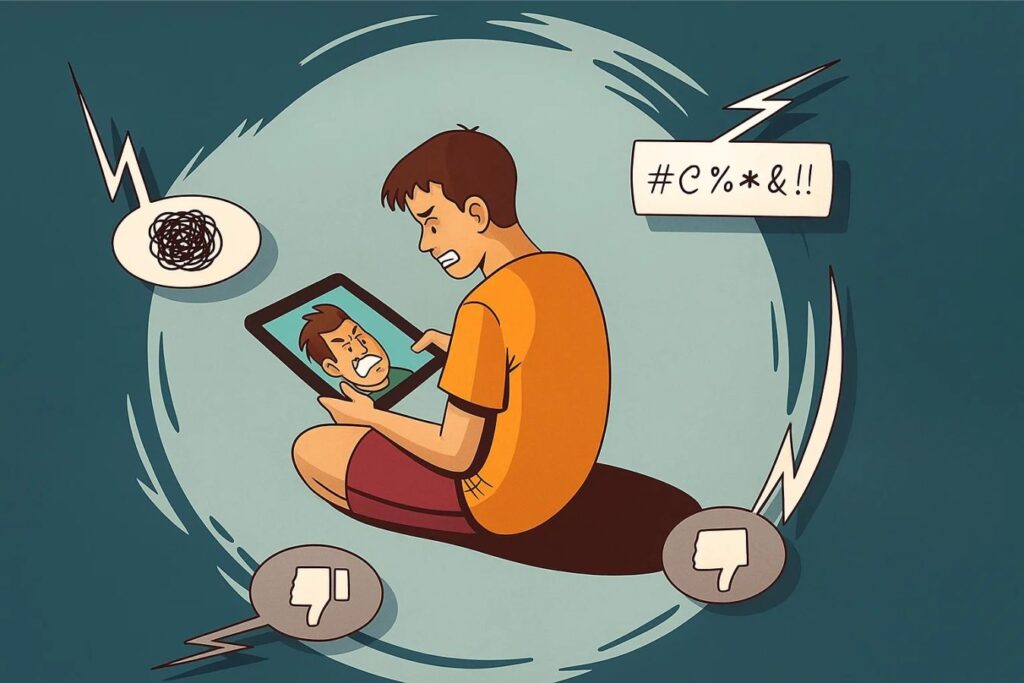


IN a world where screens are as much a part of a child’s world as classrooms and play areas, the Delhi High Court ruling on cyber bullying recently is a turning point in the manner in which society must deal with child safety. The ruling by Justice Swarana Kanta Sharma upholding the conviction and five-year imprisonment of a man who had sent lewd messages and morphed pictures to a schoolgirl doesn’t just dispense justice. It shifts the paradigm: from protecting children in physical space to protecting children in cyber space.
Embracing ‘Digital Touch‘
The court’s ruling that we now have to teach children about “digital touch“ expanding the definition of “good touch“ and “bad touch“ to the cyber world is apt and opportune. Children have been raised in a generation where their digital presence is not a choice but a compulsion, especially in the post-pandemic world. From virtual classes to social media, their digital lives are the new normal. So are online dangers.
Trauma in the Virtual World
The damage inflicted by cyber abuse that is, cyberbullying, image morphing, and threats is no less harmful than violence. It can even be worse, as the damage is typically intangible, permanent, and multiplied by the internet’s extent and permanence. The Delhi High Court so rightly understood this: one morphed image, even if never posted, is enough to “terrorize a young mind.” The psychological damage can be devastating, and the damage to a child’s dignity and mental well-being permanent.
No Leniency for Digital Crimes
What is notable about the verdict is its sympathetic treatment of the victim’s ordeal. The judgment is not just about legality and punishment; it humanizes the tragedy. The court rejected the plea to reclassify the convict, arguing that leniency in such cases would reduce the seriousness of cyber crimes against children. The warning is stark online child exploitation will be met with severe legal action.
A Mirror to Society
This case is more than a legal milestone — it is a reflection on society. It reflects how ill-prepared we remain, even today, to shield our children from the darker corners of the web. As we are racing to endow them with gadgets and net access, we‘ve lagged behind in providing them with digital boundaries, web permission, and emotional security. Parents, teachers, and lawmakers alike must understand that education for the digital age takes more than technical knowledge — it takes emotional and moral literacy.
Sustaining Digital Dignity Justice Sharma’s judgment is a clarion call not to punish but to prevent. Not to react but to sensitise. Realisation of the phenomenon of “digital touch,” the judiciary, through this judgment, has envisioned a new area in the rights of the child for the right to digital dignity. While we go deeper into cyberspace, let us not forget that childhood cannot be the price we pay for digital progress.
TIME TO ACT: Schools, Parents, Tech The answer is a complex one. In Schools: Curriculums should have digital ethics and safety as mandatory modules. As we learn physical hygiene, now we have to learn digital hygiene how to deal with privacy, cyber assaults, and abuse reporting. At Home: Parental engagement must shift. Monitoring must be more than restricting screen time it must encompass open communication about online experience, danger, and warning signs. In Systems: Judiciary and law enforcement need to be prepared to grasp the quick–changing dynamics of cyber crimes. Technology sectors need to also contribute their part in developing improved reporting systems, reporting abusive content and making their platforms child-friendly.