


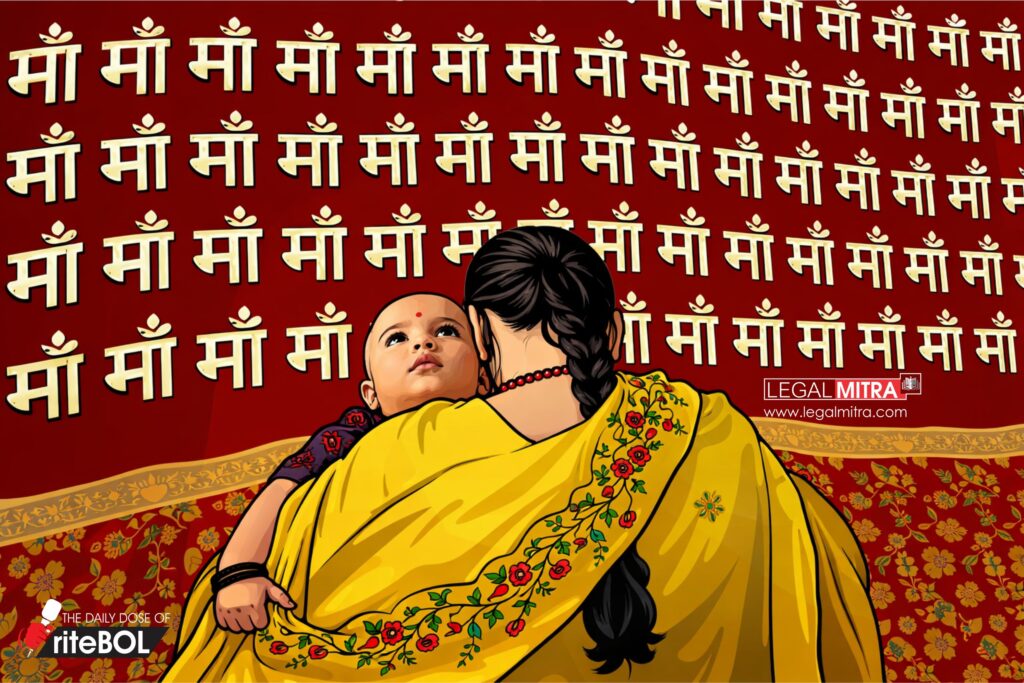


In a landmark judgment, the Supreme Court of India has held that the right of reproductive autonomy includes adoption, which is an important aspect of reproductive and decision-making autonomy as enshrined in Article 21 of the Constitution of India. In this regard, the Supreme Court has held that the right of reproductive autonomy is not restricted merely to the biological aspect of bearing children, and that adoption is an equal right in this regard.
The Supreme Court has held, “A broader interpretation of the Constitution is called for in keeping with the social reality. Parenthood is no longer limited to biological reproduction. There are many other choices that people have made in an attempt to build and nurture families.”
The Court observed that unconventional and atypical family structures are not entitled to any less constitutional protection. In this regard, it was held that “adoption is a conscious and significant exercise of the right to create a family.” It was also emphasized that such rights are encompassed in the broader category of decisional autonomy as set out in Article 21 of the Constitution. Additionally, it was emphasized by the Court that family relationships are not premised on biology. Rather, family relationships are premised on “emotional bonds, responsibilities, and care.” “It is not biology that constitutes a family… but shared meaning and emotional connection.”